When you're picking out an interior door for your home, there are so many things to think about. It’s not just about how it looks—though that’s important—it also affects how functional and secure your space feels. Interior doors aren’t just decorative; they can really boost your home's style while also being practical. Things like materials, colors, and styles all play a part in helping you find the perfect match.
Think about how each choice fits with your overall home vibe. For example, a solid wood door can give off that luxurious, durable feel—but if you’re on a budget, lighter options like hollow core doors can be a great stylish alternative without breaking the bank. Just keep in mind that not every door works for every space. It’s worth considering what you actually need each door for—whether it’s privacy, noise reduction, or just aesthetic appeal.
Also, don’t forget—quality really counts when you’re investing in doors. It’s a good idea to check out trusted brands and maybe ask some pros in home design for their recommendations. Basically, pick something that honestly fits your lifestyle and needs. And yeah, the whole process can sometimes feel a bit overwhelming—don’t rush! Take your time weighing different options so you end up with something you’ll love for years to come.
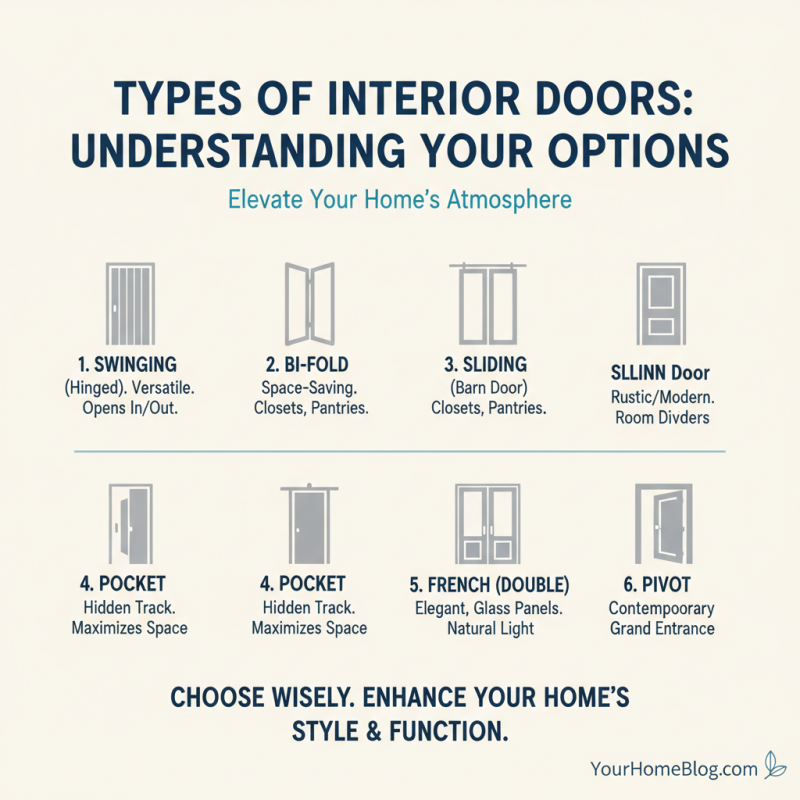
Choosing the right interior door can significantly impact your home's atmosphere. There are various types of interior doors that cater to different styles, functions, and preferences. Understanding these options will help you make an informed decision.
Panel doors are classic and versatile. They consist of a frame with panels, often made of wood. They add character to a space. Sliding doors are another option. They save space, particularly in smaller rooms. However, they may not provide complete sound insulation. Pocket doors are similar but slide into the wall, which is great for maximizing floor space.
French doors are elegant and allow natural light to flow between rooms. They can be a focal point in a home but may require more maintenance. Bi-fold doors can open large spaces, connecting indoor and outdoor areas seamlessly. Still, they are not suitable for every home layout. Ultimately, consider the functionality and design you desire while keeping your home's overall aesthetic in mind.
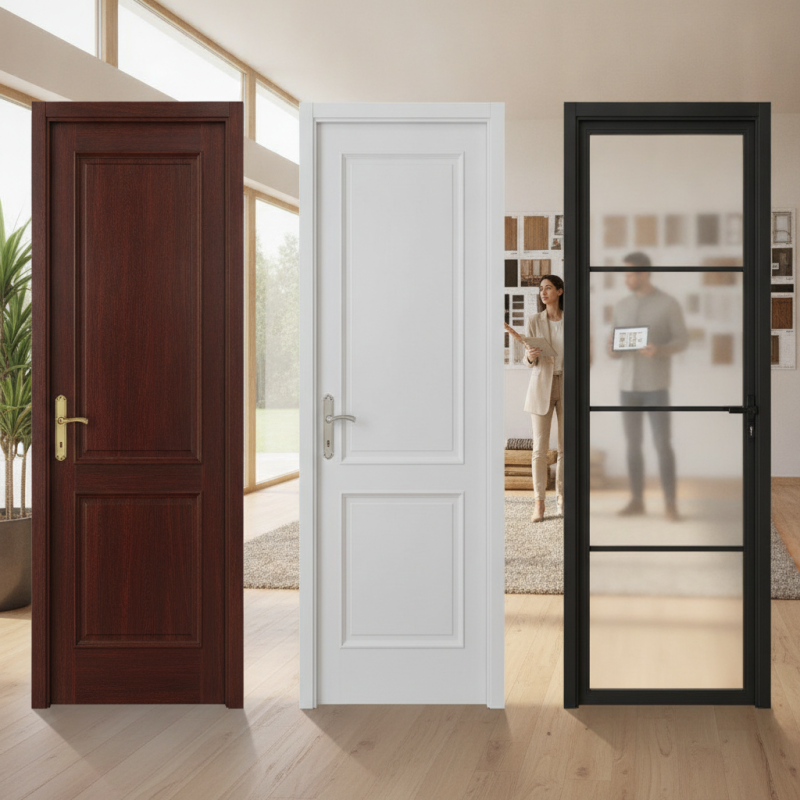
When choosing interior doors, material selection is crucial. The most common materials include solid wood, engineered wood, fiberglass, and steel. Solid wood doors are timeless and elegant. They offer excellent insulation and durability. However, they can be expensive and susceptible to moisture damage.
Engineered wood doors are an affordable alternative. They use compressed wood fibers and are more stable. These doors resist warping and are easy to customize. Yet, they may lack the rich feel of solid wood.
Fiberglass doors are lightweight and low-maintenance. They come in various finishes and styles. However, their visual appeal can sometimes feel synthetic. Lastly, steel doors are tough and secure. They provide excellent insulation but may feel cold and unwelcoming.
Each material has its trade-offs. Homeowners must assess their needs carefully. Consider your local climate, design preferences, and budget. Sometimes, a blend of materials may work best. This approach can achieve both aesthetics and functionality. Reflect on these factors before making a final decision to find the right interior door.
When selecting an interior door, design considerations play a crucial role. Aesthetics and style should complement the overall décor of your home. According to a recent industry report, around 70% of homeowners prioritize design when choosing doors. This reflects the increasing focus on visual appeal in home interiors.
The choice of materials can significantly impact the door's look. Solid wood doors offer warmth and elegance. However, they can be quite heavy and may require more maintenance. In contrast, hollow-core doors are lighter and more affordable. Yet, they may lack the durability desired in high-traffic areas. Balancing these factors can be challenging. Each option has its pros and cons, often leading to uncertainty.
Color and finish are also essential. A white door can create a clean, modern vibe while stained wood adds richness. Trends show that bold colors are gaining popularity, reflecting personal style. However, bold choices may not suit all homes. It’s crucial to consider how a door fits within the entire space. A door should not only stand out but also work harmoniously with walls, flooring, and furniture. Ultimately, aesthetic decisions for interior doors should result in a cohesive look, allowing for individual expression while maintaining overall design integrity.
Measuring for the right interior door requires precision. Begin by assessing the door frame. Use a tape measure to capture the height and width. Make sure to measure at multiple points because frames can be uneven. Doors should fit snugly but not too tightly. Consider the clearance above the floor as well. A gap of half an inch is often advisable to allow for adjustments.
Take note of the style of the door as well. Some designs might need different measurements. If you choose a sliding door, the width can affect the overall look of the space. In cramped areas, you might find traditional swing doors impractical. Think about the door's function. Is it a bathroom door or a closet door? Each has its own requirements.
Remember, mistakes happen. You might write down the wrong numbers or misplace your tools. These situations can be frustrating, but they are part of the process. Always double-check your measurements before making a purchase. An inaccurate size can lead to costly errors and wasted time. Embrace these challenges to ensure you find the perfect fit for your home.
Choosing the right handles and locks for your interior doors is crucial. A Professional Door Hardware Association report shows that 70% of homeowners consider aesthetics before function. A beautiful lever handle can elevate your space, but practicality remains key. Opt for materials that withstand daily use, such as stainless steel or brass.
When selecting locks, avoid compromising security for style. According to the American National Standards Institute, BHMA Grade 1 locks offer the highest level of security. However, many homeowners overlook this detail, focusing instead on design. A lack of knowledge can lead to poor choices. Consider your home's needs. Do you need high security, or is it more about style?
Remember, it's essential to strike a balance. Some handles may look exquisite but can be uncomfortable for daily use. Take time to test different options. Explore how they feel in hand. Opt for those that match the door's finish and the overall interior design. This alignment enhances coherence throughout your home. So, choose wisely and reflect on your needs and preferences.
| Feature | Description | Material Options | Ideal Use |
|---|---|---|---|
| Solid Core | Provides good sound insulation and security. | Wood, MDF | Bedrooms, offices |
| Hollow Core | Lightweight and cost-effective, but less soundproof. | Cardboard, plywood | Bathroom, closets |
| French Doors | Elegant style that allows natural light to flow between rooms. | Glass, wood | Living rooms, dining areas |
| Bi-Fold Doors | Great for saving space while allowing access to large areas. | Wood, aluminum | Closets, laundry rooms |
| Handles & Locks | Choose styles that match your door and decor for functionality. | Brass, stainless steel | All areas |
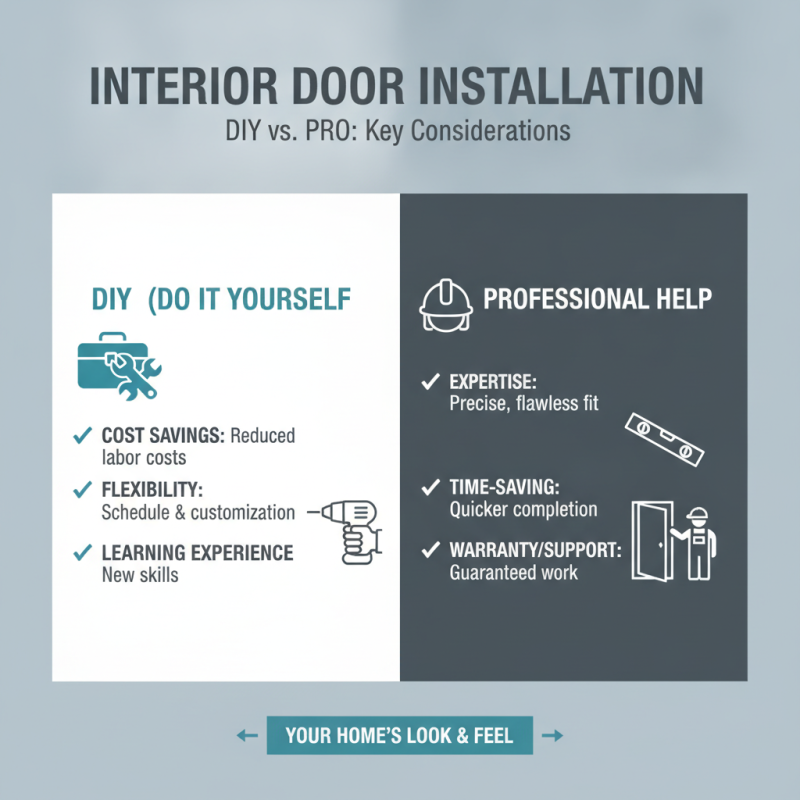
When considering interior door installation, you often face a tough choice: go DIY or hire a professional. Each approach has its pros and cons, and your decision can impact your home's look and feel.
DIY installation can be rewarding. It offers flexibility and saves money. However, it's essential to have the right tools and skills. A common mistake is poor measurement, which can lead to mismatched doors. Take time to double-check sizes. Always read installation guides thoroughly, as they provide critical details that can prevent errors.
If the process feels overwhelming, seeking professional help can be wise. Experts ensure precise measurements and proper fitting. They can also handle unexpected issues, such as structural changes. A reliable contractor will guide you through material choices, helping you choose the right style for your home. Consider their experience when making your decision. Avoid rushing into this process; quality matters more than quick fixes.
When budgeting for interior doors, several costs come into play. The material significantly influences the price. Solid wood doors tend to be more expensive than hollow core doors. However, they offer better durability and insulation. On average, a solid door can range from $300 to $800. In contrast, hollow core options may cost between $50 and $200.
Installation costs also vary. Professional installation can add $100 to $500 to your total expense. This depends on local labor rates and the complexity of the installation. If you choose to DIY, you might save some money, but be aware of your skill level. Mistakes can lead to additional costs and time.
Don’t forget about hardware, like knobs and hinges. Quality hardware ensures longevity but can increase your overall budget. Consider the style and finish that matches your home’s aesthetics. It's easy to overlook this aspect during budgeting. A well-planned selection can enhance your space and avoid costly revisions later. Balancing cost with quality is crucial for long-term satisfaction.
The global interior design market has witnessed a significant shift towards melamine doors, driven by evolving consumer preferences and design trends. Melamine doors, available in various sizes such as 610-1950*2032*30-50mm, are becoming a popular choice due to their versatility and aesthetic appeal. According to the latest industry reports, the demand for melamine doors is projected to grow at a compound annual growth rate (CAGR) of over 5% in the next five years, reflecting a robust market trend influenced by factors such as affordability, durability, and a wide range of color options.
Consumers increasingly favor melamine doors for their customizable features, including different panel configurations like 2, 4, or 6-panel designs and oval shapes. This variety allows homeowners and designers to tailor their spaces to reflect personal tastes and contemporary styles. Furthermore, the sustainability aspect of melamine manufacturing processes aligns with the growing consumer consciousness toward environmentally friendly products. Reports indicate that nearly 70% of homeowners consider sustainability a critical factor in their purchasing decisions, further fueling the melamine door market's expansion.
As the interior design landscape continues to evolve, melamine doors are set to play an integral role in both residential and commercial projects. With their diverse color selections and stylish designs, they cater to a wide array of design aesthetics, from minimalist to classic. This adaptability not only enhances the visual appeal of spaces but also meets the practical needs of consumers seeking durable and low-maintenance options. The rise of melamine doors is thus indicative of a broader trend in the interior design sector, where functionality meets style in innovative ways.
: The right handles and locks enhance aesthetics and ensure practicality for daily use.
Stainless steel and brass are recommended for their durability in everyday use.
Security should not be compromised for style; high-quality locks are crucial.
Homeowners should assess their security needs and consider BHMA Grade 1 for high security.
Poor measurement is a common mistake that can lead to mismatched doors.
Double-check all measurements and read installation guides thoroughly.
Seek professional help if you feel overwhelmed or lack necessary skills.
They ensure precise measurements and can address unexpected structural issues.
Reflecting helps to avoid choosing handles that look good but are uncomfortable.
Proper alignment enhances coherence and overall aesthetic appeal throughout the space.
Choosing the right interior door for your home involves several key considerations. First, familiarize yourself with the various types of interior doors available, such as hinged, pocket, and bi-fold options, to determine what best suits your space. Each material, from solid wood to hollow core, presents its own set of pros and cons, impacting both durability and aesthetic appeal. Design plays a crucial role as well; selecting a style that complements your home’s overall look is essential.
Furthermore, proper sizing is critical for a seamless installation, so accurate measurements are necessary. When it comes to functionality, choosing the right lever and hardware can enhance both usability and aesthetic value. Deciding between DIY installation or hiring a professional should be based on your skill level and comfort with home improvement tasks. Lastly, be mindful of your budget, as costs can vary significantly based on the type and material of the interior door you choose.